
The “Olivia Rodrigo” Strategy: How to Captivate an Audience

Often, our most terrifying nightmares are the ones most likely to come to fruition. How often have you woken up in a sweat days before a presentation, fearing judgement – failure? To avoid this, here’s how I prepare to tell a story to a live audience: 

Every time, I always include a relatability factor – something that guides the audience through and, stylistically, reaches out and holds their hand. One example of this was when presenting on Race & Education Policy. I had firsthand experience with education policy, when making buttons to support a teacher strike. So, I brought these buttons in to pass around while I spoke about education policy. Students seemed to remember the presentation – afterwards, many came up to me, citing how the buttons helped them pay attention and differentiated the moment for them. 

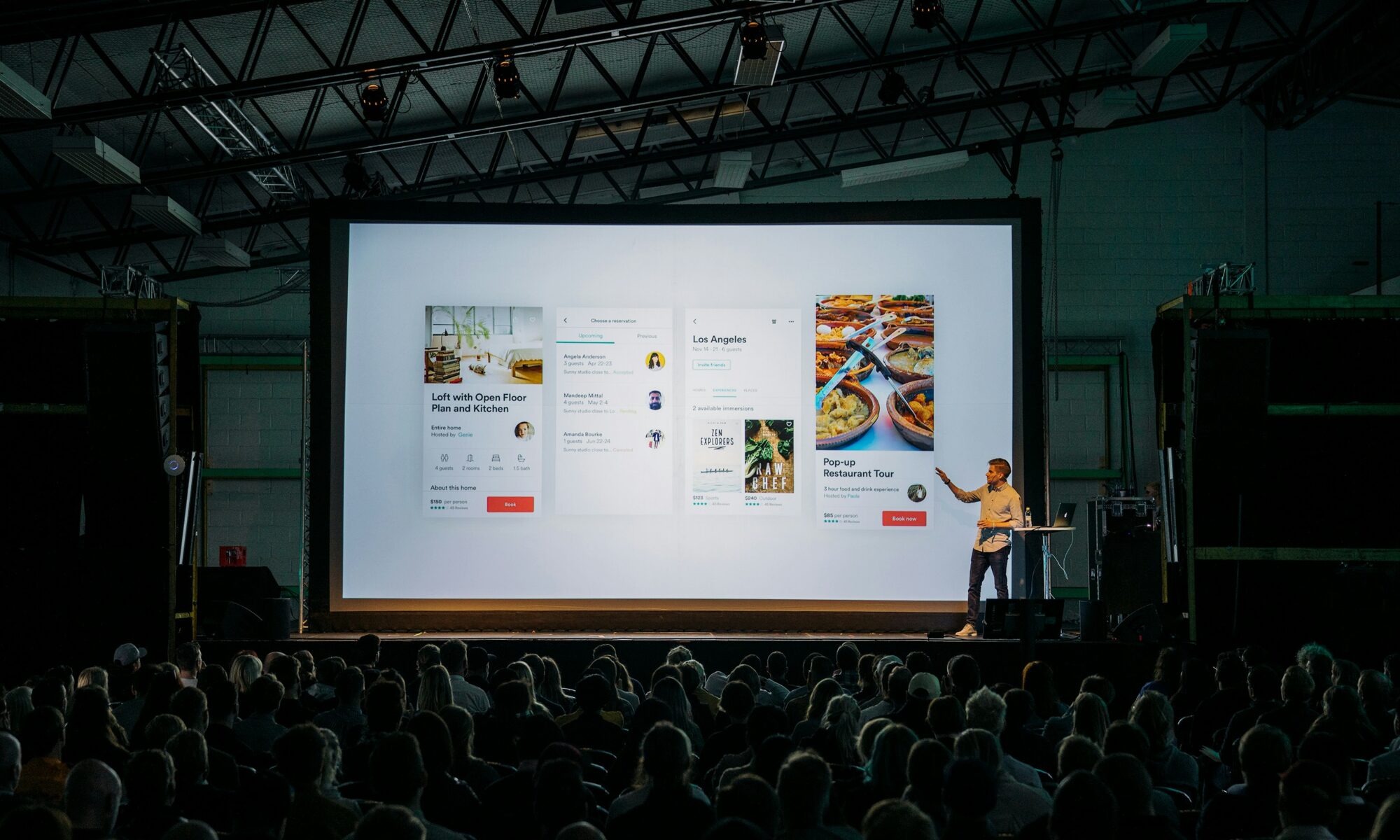
While you can bring something physical, it is usually easier to have a powerful visual to guide the audience. As they say, a picture is worth a thousand words. During my time at Wesleyan, I took an A&R (artist and repertoire) class, where we pitched artists to sign to a label. The best pitch would be seriously considered as a potential signee to the professor’s own label.

Our group picked an artist similar to Olivia Rodrigo, in the bedroom pop aesthetic. To begin our presentation, we had an image of Olivia Rodrigo exactly mirror our artist – solidifying the idea that our artist would be the next Olivia Rodrigo. 

So, remember, when crafting a presentation, it may be helpful to consider how you communicate with your audience, and how to enhance the clarity of your story and your message. 
I Started a Music Media Platform for Selfish Reasons

I started Official Creator Space for selfish reasons. Since I was sixteen years old, I had always been frustrated with not being a part of the “blow up” of artists – I was watching from the sidelines, seeing all the key players (other artists, managers, brands, collaborators) move into position before a musician became popular. And, like a stockbroker who couldn’t invest, I’d look through the glass at the bullish market — alone in the dust. This frustration bubbled over and I started to build Official Creator Space. I realized that artists themselves are being exploited by the industry, so  I pivoted from an investment platform to  a fundraising platform. 

After this, I pivoted once more in method but not in mission. Now, Official Creator Space creates opportunity for upcoming artists through well-researched interviews. 

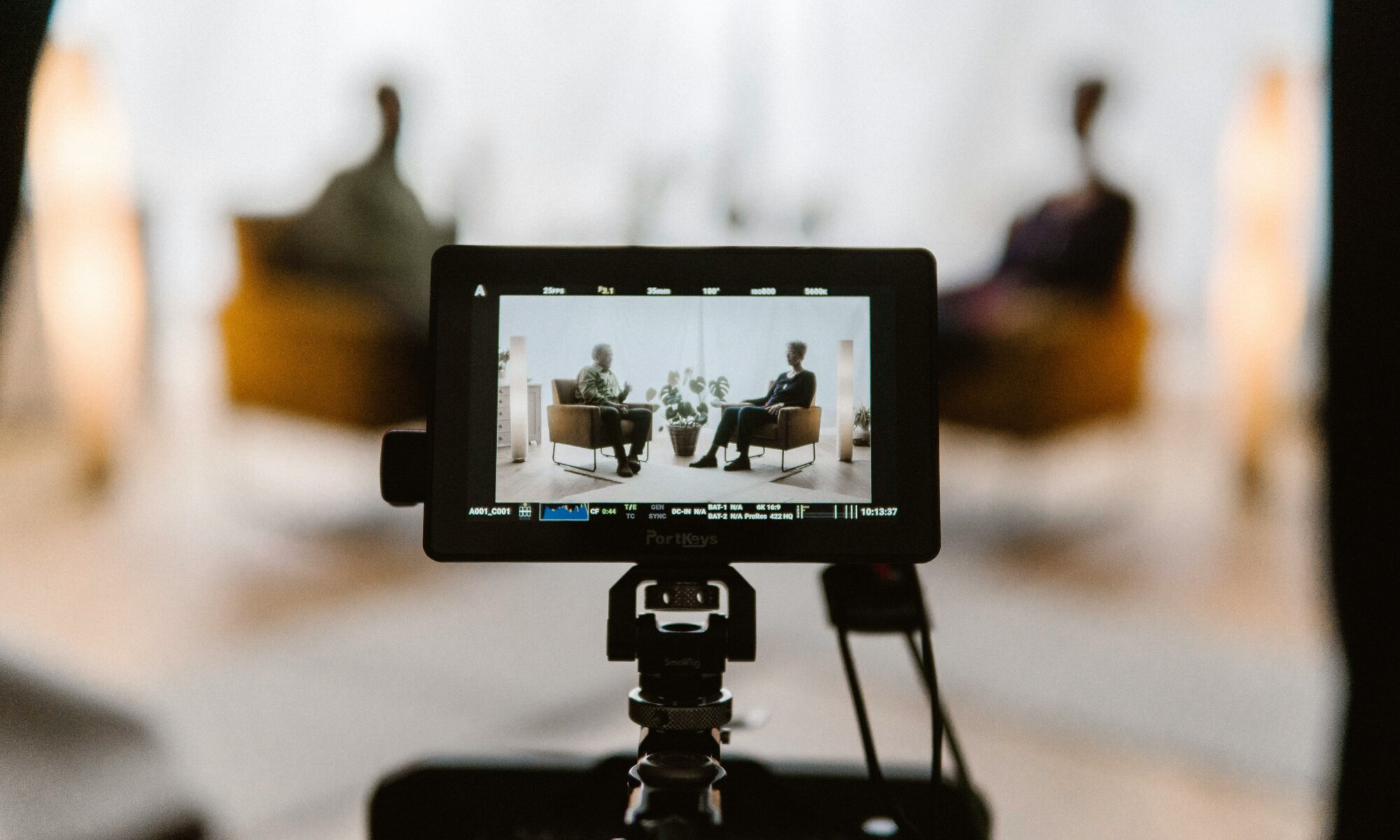
One semi-successful fundraiser later, I saw a poster for a DJ coming to campus. After researching heavily throughout the week, I had a plan to approach her and ask for an interview for the Instagram page. Inside the frat house in which she was performing, I sat in a room, buzzing  with pre-party excitement. I was experiencing a different type of buzzing – pre-interview anxiety. I asked a friend to come upstairs to the green room with me.. He followed me up the steps, and I knocked – carefully, but assertively – on the door the DJ was behind. The entire methodology  of the startup  was about to change. The door opened and I met my fate. 

Since that day, I have completed interviews with twenty artists in the hip hop or rap-adjacent niches, ranging from upcoming talent to solidified legends in the game. I ask about their art, but also about the artist as a person, their goals, their upbringing, and anything unique about them. The purpose, though, is always the same – a way to create opportunity for upcoming artists, and to go against the grain of the music industry which uses artists as pawns for their profit incentive.

css.php